Creating a space at home where learning actually feels enjoyable and natural makes a big difference in how kids and teens get involved with schoolwork, hobbies, or any kind of self-study. The learning environment at home covers a lot more than just having a tidy desk; it’s about setting up routines, choosing the right resources, and building positive habits. In this article, I’ll break down the key things that help build a supportive learning environment at home, from simple setup tips to strategies that encourage curiosity and growth.
Why a Positive Learning Environment at Home Really Matters
The atmosphere at home shapes how comfortable and motivated kids feel about learning. When the setup supports focus and reduces stress, sticking with tough subjects or new skills feels a little less overwhelming. With more families embracing remote learning and homework routines, the home has become a key place for all kinds of learning. Research from the American Psychological Association shows that students in positive, supportive environments report higher motivation, better focus, and fewer signs of burnout (APA, 2022).
A supportive environment also allows for flexibility. Maybe your child grabs a snack while working on math, or takes a quick movement break after reading. Parents and caregivers can experiment to see what keeps energy up and stress down. The goal is to set things up so that learning feels like something to look forward to, not just a chore.
Setting Up the Physical Space for Learning
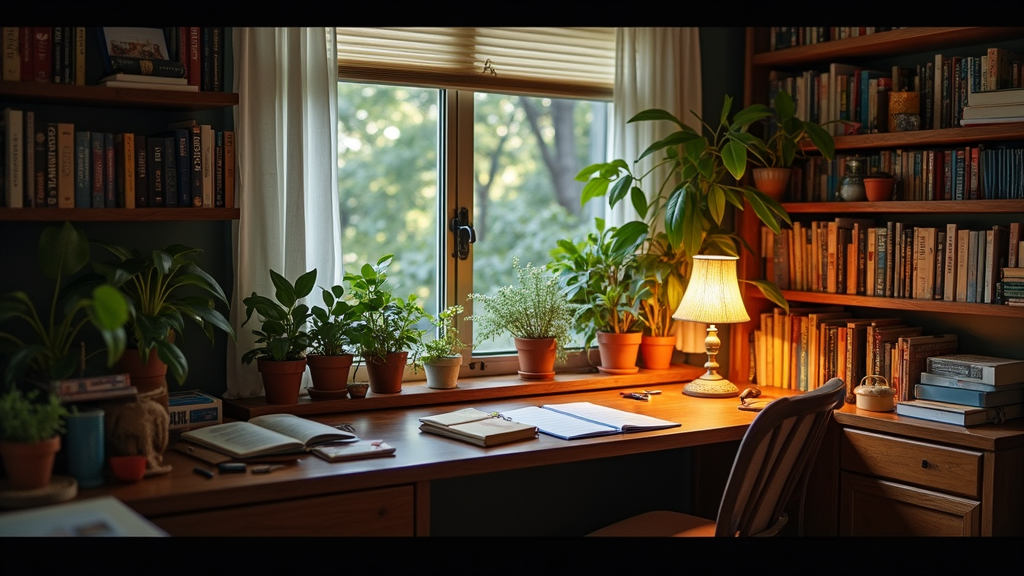
The first step is creating a spot where learning happens comfortably. This space doesn’t have to be fancy or perfectly organized, but it should be functional. Here’s what I’ve found works best:
- Reliable Desk or Table: A steady surface works best for writing, drawing, or using a computer. If space is tight, a foldable table or even a clear corner on the kitchen table can do the trick.
- Comfy Seating: Something simple, like a supportive chair or cushion, helps prevent slouching or fidgeting from discomfort.
- Good Lighting: Natural light is awesome where possible, but a desk lamp or floor lamp brightens up the area if it’s dim.
- Essential Supplies: Keep pencils, paper, highlighters, sticky notes, and headphones nearby to avoid constant searching mid-study.
- Minimize Distractions: Whenever possible, keep learning spaces away from noisy TVs or high traffic areas to help kids stay on task.
Personal touches like posters, plants, or a small whiteboard for daily goals can also make the space feel inviting and unique. The main trick is consistency. Using the same area helps the brain match it with focus time. More on setting routines coming up.
Building Supportive Routines and Habits
Consistency helps kids know what to expect, so having a set routine is super helpful. The routine doesn’t have to be strict; just knowing what happens next can lower stress and help with self-discipline. Here’s what I usually recommend:
- Regular Start Time: Starting at about the same time each day turns learning into a natural part of the day.
- Breaks Matter: Short breaks every 20–40 minutes can actually give a boost to focus. Get up, stretch, walk a bit, or grab water.
- End-of-Session Ritual: Mark the end of study time with a simple habit—tidying up, planning the next session, or sharing something learned that day.
For younger kids, visual schedules or checklists work well. Older students may prefer planners, apps, or bullet journals. Tracking small wins this way gives a sense of progress and keeps motivation up. Making these routines fun, such as using stickers or allowing some music, can also give them staying power.
Nurturing Curiosity and a Growth Mindset
One of the biggest impacts on learning confidence comes from how mistakes and challenges are handled. Encouraging a growth mindset—that skills can be learned and improved with effort—makes it easier to deal with frustration or slow progress. Here are a few simple things that help build that mindset at home:
- Praise Effort, Not Just Results: Recognize the hard work behind solving a tricky problem, not just the right answer.
- Normalize Mistakes: Remind everyone (including yourself) that making mistakes is part of learning; sometimes even sharing your own past slip-ups shows it’s okay to not be perfect.
- Encourage Questions: When your child or teen asks “why?” or “how does this work?” make space for exploring answers together instead of brushing it off.
- Frame Challenges as Opportunities: When something’s tough, see it as a way to get stronger at figuring things out. It might take a few tries, and that’s fine.
For more, Carol Dweck’s research on the growth mindset is worth checking out (Mindset Works).
Integrating Technology and Resources Wisely
Technology opens up a lot of learning resources—interactive apps, online classes, digital textbooks, or even YouTube how-to videos. Here’s how to make smart choices about what to use:
- Choose Quality Apps: Read reviews or try apps yourself first. Look for tools designed by educators, not just those packed with ads or distractions.
- Set Screen Time Guidelines: Have healthy boundaries. Balance online learning time with offline activities to keep things fresh.
- Use Tech for All Subjects: Don’t just use digital tools for math; virtual museums, science experiments, or language games can make all kinds of subjects more interesting.
Websites such as Khan Academy and National Geographic Kids offer a huge range of free, high-quality content for learners of all ages. Exploring these resources together helps kids track down what excites them most.
It’s also helpful to teach kids about online safety and privacy, showing them the basics of how to look up reliable information. This can build digital skills that will serve them well as independent learners.
Handling Common Challenges at Home
No home setup is problem-free. These are some bumps I see most often, with simple fixes:
- Distractions: Use headphones, timers, or even background music to tone down noise. Try to reduce clutter to help kids focus.
- Motivation Drops: Mix things up with different subjects if one’s getting stale or encourage brief movement breaks. Sometimes just changing location—moving to another room or outside—can help a lot.
- Tech Issues: Have backup offline activities or books on hand. If tech issues are constant, check in with the school or local library about loaner devices or internet support programs.
- Sibling Schedules: With multiple kids, try staggering study times or setting them up in different spaces, even if that means one studies at the kitchen counter and another in the bedroom.
Handling Motivation and Burnout
Everyone hits a wall sometimes. Switching up topics, celebrating small wins, or planning a fun family outing at the end of a tough week can help. For kids feeling overwhelmed, practicing deep breathing or grounding exercises can make a big difference, even if it’s just for a minute. Apps like Calm or Headspace have quick, free audio guides for easy mindfulness practices. You can also introduce simple techniques like focusing on the five senses to help bring relief from stress.
Balancing Screen Time
Online resources are super useful, but staring at a screen all day can get old fast. I like to mix in handson activities—cooking, art projects, or backyard science experiments—to keep things interesting and encourage realworld learning. Having regular devicefree time keeps everyone’s brains refreshed. Try family walks, board games, or just relaxing outdoors as screenfree alternatives.
Examples of Supportive Learning Activities
The best learning often happens when schoolwork meets real life. Here are a few practical ideas I turn to when the usual routine gets stale:
- Family Reading Time: Set aside 15–30 minutes for everyone to read—books, comics, or magazines—and then chat about favorite parts together.
- ProjectBased Learning: Take on a family project like building a birdhouse, starting a small garden, or running a simple science experiment. Real tasks help connect academic concepts to life outside of worksheets.
- Gamify Chores: Use points, prizes, or friendly contests to make chores or learning tasks more engaging. Kids often respond to a little healthy competition or the promise of a reward.
- Share and Reflect: Encourage everyone to share what they learned at dinner or before bed, even if it was just a neat fact or a tough new word.
You could also introduce virtual field trips to famous places with free online tours, or challenge kids to teach you something they learned, which boosts their understanding and confidence.
Frequently Asked Questions
Here are some of the top questions I get about building a home learning environment:
Question: What if my home is small or crowded; how can I still create a good learning area?
Answer: Use portable options like lap desks, storage bins, or fold-out tables. Even carving out a consistent spot in a shared room or corner helps set a learning routine.
Question: How can I keep my child involved if they get bored easily?
Answer: Mix things up, try new learning resources, encourage handson projects, and celebrate small achievements to make learning feel rewarding.
Question: Should learning always happen at the same time and place?
Answer: Consistency helps with focus, but a little flexibility, like learning outside or switching up the subject order, can actually keep things fresh and stop routines from getting boring.
Wrapping Up: Getting Started with Your Supportive Learning Space
Building a supportive learning environment at home is about small, thoughtful changes. Creating a reliable spot, using routines, encouraging curiosity, and picking the right resources builds a strong foundation for real learning. Everyone’s setup looks a bit different, but the best environments help learners of any age grow confidence, independence, and a love of learning. No need for perfection; just focus on making things welcoming and consistent, and the results will follow.
Try out a few of these ideas and adjust as you go. Every family’s needs are unique, so keep what works and swap out what doesn’t. Your home can become a place where learning just feels like a natural and enjoyable part of everyday life. And remember, even a few minutes a day invested in building the right environment pays off in the long run.