Personalized learning has become a popular topic in education over the last decade, but beyond the buzz, real classrooms are seeing some pretty eye-catching changes. When schools and teachers tailor lessons to fit the needs, abilities, and interests of each student, the results can go way past test scores. There are good stories from around the world that show how personalizing education has helped students who once felt lost in the crowd finally get their moment to shine. I’m sharing what I’ve seen, researched, and learned so you can pick up on how powerful personalized learning can be when put into action.
Understanding Personalized Learning: Why Does It Matter?
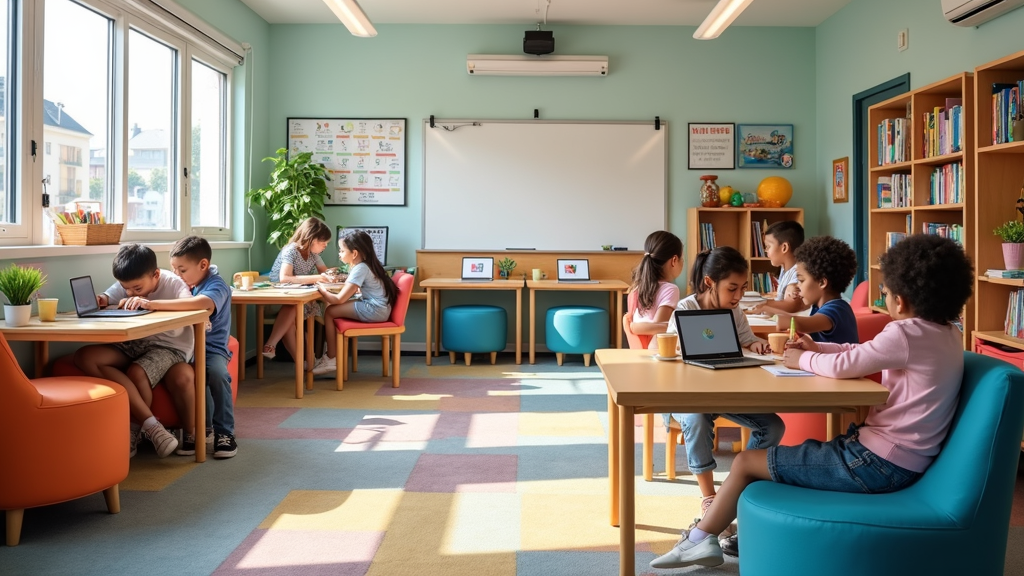
Personalized learning focuses on each student as a unique learner, starting from their interests, strengths, and what they need to work on. Schools use technology, flexible teaching methods, and student choice to build lessons that aren’t onesizefitsall. It grew in popularity as a way to help every student feel included and make quicker progress. According to a 2021 study by the RAND Corporation, personalized learning approaches have helped students, especially those behind grade level, catch up faster than in traditional classrooms. For teachers, it means more creative lesson plans and less repetition, as students take more responsibility for what they learn.
Real-World Impact: Stories From Different Settings
Schools and districts have tried out personalized learning in their own ways, depending on resources and the needs of their students. Here are a few examples where these changes made a big difference:
- K12 Schools in Chicago: Several public schools in Chicago brought in personalized digital tools for reading and math. Students starting below grade level ended up making bigger learning gains than peers in schools using traditional classrooms. Kids got to move at their own pace, and teachers spent more time helping students who needed the most support.
- Blended Learning in Vermont: A rural Vermont middle school set up personalized learning plans for each student, allowing them to choose projects connected to local history, the environment, or art. Students who struggled in sit and listen lessons started excelling when they were allowed to work in groups or solo on something that mattered to them. Teacher feedback showed increased involvement and a big jump in independent learning skills.
- High School Graduation Success in Georgia: The Fulton County school district rolled out a personalized learning strategy districtwide. Attendance improved, graduation rates rose, and fewer students needed summer school to catch up. Students said having choices, like taking advanced math online or joining a small group for oneonone writing help, made school less stressful and more motivating.
These aren’t overnight fixes, but they show strong examples of what happens when schools really listen to students’ needs and strengths.
Key Ingredients for Successful Personalized Learning
Every story has a few things in common that help personalized learning work better. I’ve seen these patterns come up again and again:
- Flexible Learning Paths: Students can move at their own pace. Some might breeze through math worksheets but need extra time writing essays. Selfpaced software, projectbased work, and openended assignments let each kid take the time (or speed) they need.
- Teachers as Coaches: Instead of simply delivering information, teachers check in regularly, offer advice, and help students overcome roadblocks. Many teachers said they liked the coach role because it let them focus more on building relationships and less on repeating the same lessons year after year.
- Student Choice and Voice: Kids are more invested in learning when they have some say. This might mean picking a book to read, planning a science project, or setting weekly goals for themselves. Each small choice boosts independence and personal responsibility.
- Smart Use of Technology: Laptops, tablets, and online learning platforms make it easy for teachers to give everyone the right level of challenge. Digital platforms can automatically adjust lessons depending on how a student is doing, and they let teachers spot who’s falling behind early.
Quick Guide: How Schools Make Personalized Learning Work
Schools don’t have to completely switch up everything at once to see results. Starting small often works best. Here are steps that successful schools usually follow:
- Start With a Pilot Program: Pick one grade, classroom, or subject to test new approaches. Gather feedback from students and teachers. Small pilots help work out the kinks before bringing things out to the whole school.
- Train and Support Teachers: Offer training in new digital tools and flexible teaching methods. Ongoing support and sharing strategies with other teachers keeps everyone motivated and helps avoid burnout.
- Set Clear Goals: Focus on what matters most, whether that’s better involvement, higher test scores, improved attendance, or something else. Track progress using simple data and student feedback sessions.
- Mix Online and Face-to-Face Learning: Blending techbased lessons with time for direct teacher support builds stronger connections and helps struggling students feel less isolated.
- Involve Families: Let parents and guardians know how personalized learning works. Give them tools to support their kids at home and ask for their input on what’s working well.
These steps aren’t rigid rules. Adjusting based on feedback from students, teachers, and families helps each program feel truly personal. A key thing is to stay flexible and always be open to new ideas, so the approach matches what your school community needs most. Even starting with just one class or group project can spark excitement and show what’s possible. Many schools have noticed that after a small pilot, both students and teachers are eager to keep going, leading to meaningful growth over time.
Things Schools Learned Along the Way
Rolling out personalized learning comes with a few surprises and sometimes roadblocks. Schools that made it work learned some lessons that might help others:
- Too Much Tech Isn’t Always Better: Giving every student a device does not always lead to better results. Teachers still need time to build lessons and check in with students oneonone.
- Keeping Tabs on Progress: Tracking student growth is really important. Some schools found that without clear assessment tools or regular checkins, kids who need extra help can slip through the cracks.
- Equitable Access: If some students have better internet or devices than others, it can unfairly widen achievement gaps. Partnering with local organizations or providing extra technology support makes a difference.
- Teacher BuyIn: If teachers feel left out of the planning, they may not stand behind the new approach. Involving teachers early on and listening to their ideas goes a long way.
Technology as a Tool, Not the Answer
Tech tools can speed things up, help monitor student progress, and allow for creative lessons, but teachers’ experience and relationshipbuilding still matter most. Software helps organize things, but it’s those checkins, feedback, and encouragement from teachers that push students to keep going, especially when work gets tough. When students know someone is paying attention to their progress, they’re more likely to stick with challenging tasks and feel proud of their learning.
Keeping Personalized Learning Fair and Inclusive
Making sure every student benefits from personalized learning is really important. For some students, it means having materials in different languages or extra tutoring. For others, special education support teams adapt lessons further. Training teachers to spot biases, so that advanced projects or leadership opportunities go to a wide range of students, helps make sure no one feels left out or overlooked. It’s also key for schools to include families in conversations, so teachers can better understand the unique needs each student brings from home, culture, or community background.
How Personalized Learning Shows Results
So, does it work? Based on my research and what I’ve seen in schools, there are a few common results of successful personalized learning:
- Higher Levels of Involvement: When kids get choices and lessons that make sense to them, they’re more likely to show up and get involved.
- Faster CatchUp for Struggling Students: Oneonone lessons and adaptive software help students fill gaps quickly without waiting for the whole class to move on.
- Bigger Growth in Soft Skills: Students working on selfpaced or group projects improve at time management, selfadvocacy, and teamwork—skills that carry over into life outside school.
- Positive Teacher Feedback: Teachers describe classes as livelier, more rewarding, and less repetitive. They can spot problems earlier and adjust lessons without waiting for the next round of tests.
Schools that keep checking in using real data and student surveys are able to catch issues quickly and keep improving. Longterm results often include fewer disciplinary problems, higher graduation rates, and more students reporting that they enjoy school. Giving students even small chances to make decisions or try out new projects can lead to a big confidence boost and help teachers see fresh sides of their students.
Frequently Asked Questions
There are lots of questions around how personalized learning works day to day. Here are a few that come up often:
Question: Can personalized learning be done without a lot of new technology?
Answer: Absolutely. While digital platforms help, teachers can personalize learning through creative projects, flexible seating, and oneonone checkins. Tech just helps with tracking progress and offering variety. For example, teachers in schools with fewer tech tools often use hands-on projects and group work to make sure each student’s interests are highlighted.
Question: Will my child fall behind if they work at their own pace?
Answer: In wellrun programs, teachers check in often to make sure everyone is meeting goals. Fast learners get more challenges, while others get extra practice or support. Teachers can spot when a student is not making the needed progress and step in to adjust lessons or provide more help.
Question: What happens if a student doesn’t like setting their own learning goals?
Answer: Some kids need more structure at first. Teachers work with students to set realistic shortterm goals and give lots of support until they’re ready to take more control. Over time, students usually become more comfortable making choices and taking ownership of their learning path.
Personalized Learning: Why Stories Matter
The most inspiring part of personalized learning is seeing how it changes individual stories. Kids who once dreaded going to school now take pride in what they create. Teachers get excited about work again, and families finally see their children’s unique strengths recognized. While it’s not perfect for every student in every school, the growing list of success stories shows that, with the right support, every learner really can find their own path to success. Each story is a reminder that personalized learning isn’t just a trend but a real way to give every student their chance to shine.